Whey vs Beef Protein: Which One Should You Choose?
The difference between whey and beef protein, how much protein you need per day, and how to choose if you are lactose intolerant.
Protein powder is not magic. It is food in an easy-to-drink form. Its job is to fill the gap when you cannot reach your daily protein target from meals.
How much protein do you need per day?
If you lift weights and want to build muscle, research points to about 1.6 to 2.2 g per kilo of body weight per day.
At 80 kg, that is roughly 130 to 175 g of protein a day from all sources.
Work out how much you get from chicken, meat, eggs and dairy first, then use a shake to cover the rest.
Whey protein
Made from milk. It absorbs quickly and is high in leucine, the amino acid that switches on muscle building.
- Pros: the best type for building muscle gram for gram, tastes good and is reasonably priced.
- Cons: it contains some lactose, which can cause bloating or cramps for some people.
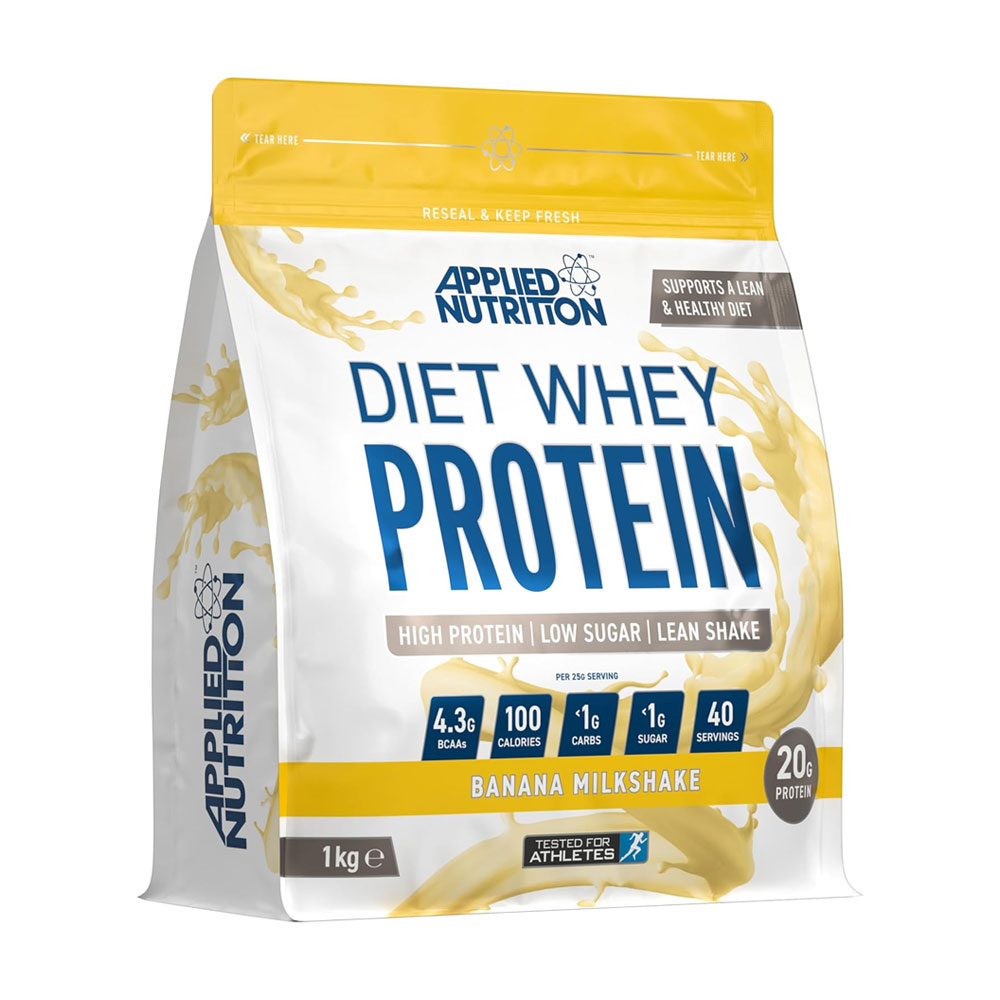
For example, Applied Nutrition Diet Whey has 20 g of protein per scoop with few calories, which suits a cut.
Beef protein
Made from beef, with no lactose at all.
- Pros: a great choice if whey upsets your stomach or you are lactose intolerant.
- Cons: it has less leucine than whey, which is why many brands add amino acids.
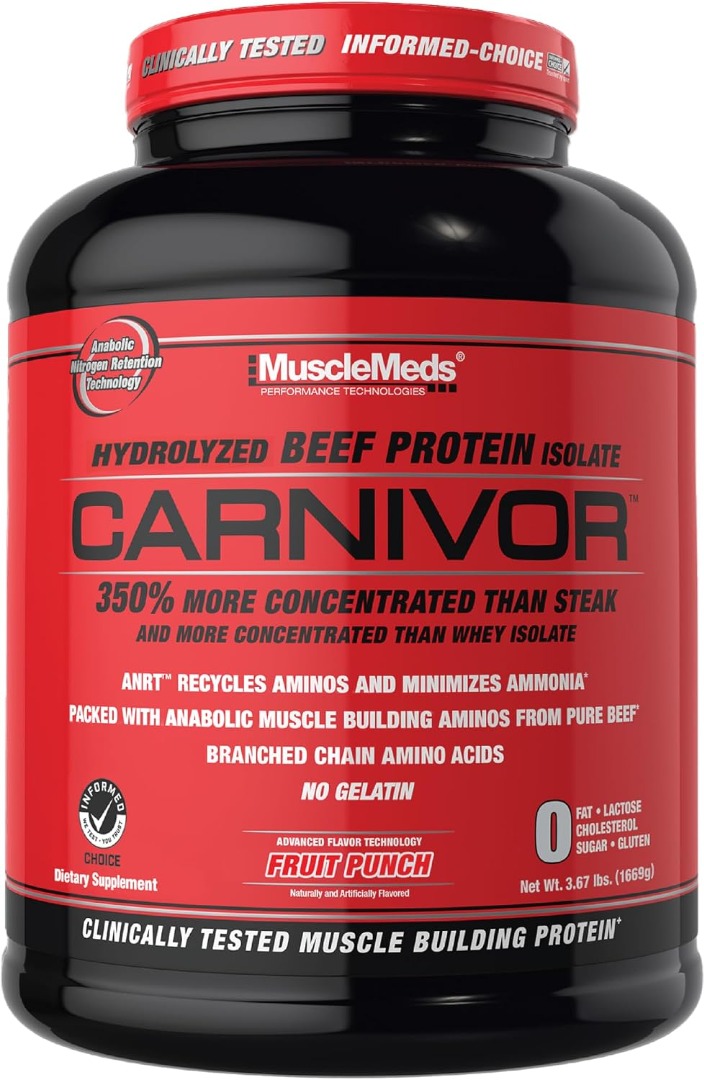
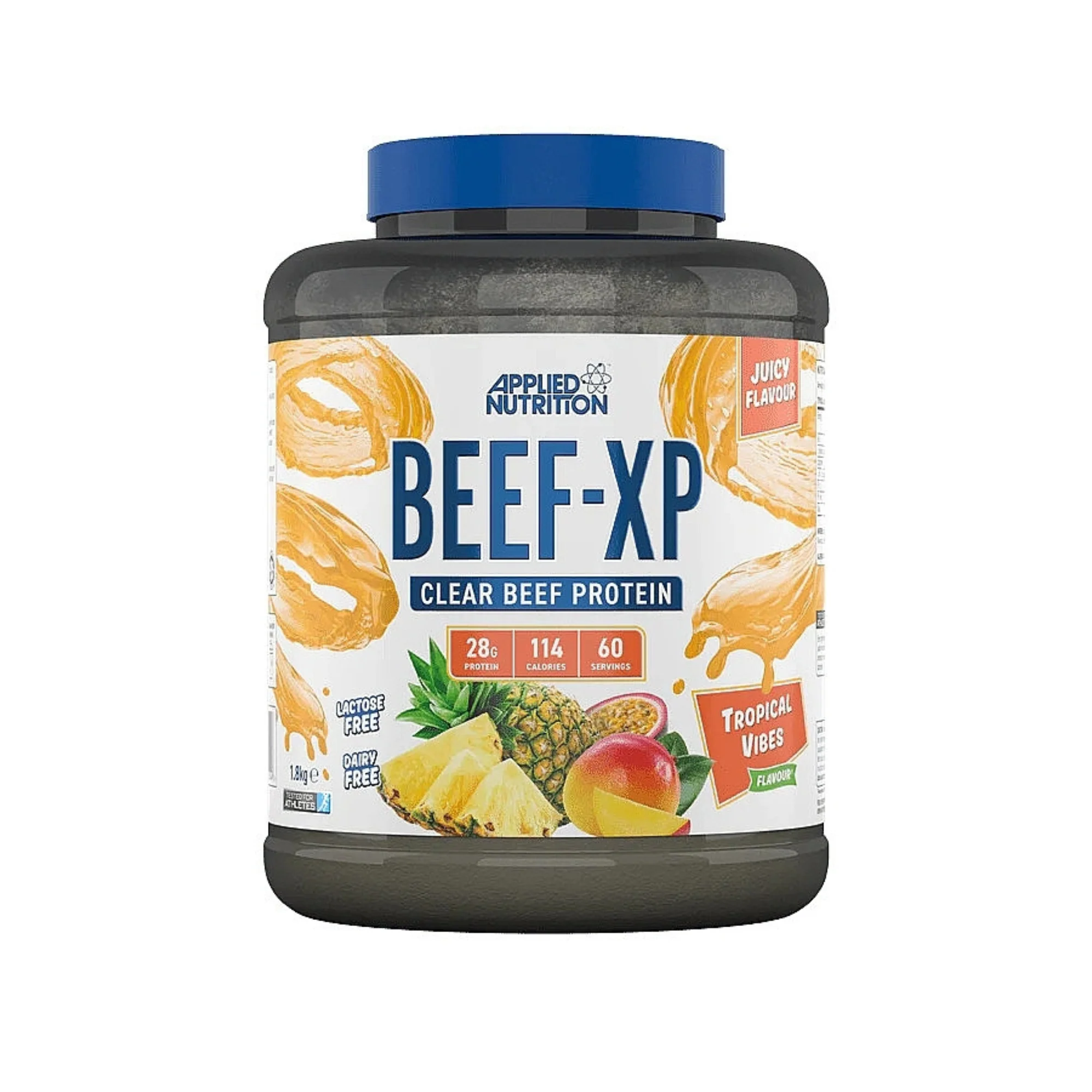
Carnivor adds creatine and amino acids, and Beef-XP is clear and light, so it drinks like juice.
How to choose
- If whey does not bother you, whey is the first choice.
- If dairy makes you bloated, go for beef protein.
- If you are cutting, pick a low-calorie protein.
- If you are bulking, you can add an extra scoop a day.
When should you drink it?
Your total protein for the whole day matters most. A scoop after training is easy and practical, and you can spread the rest across your meals.
This information is for general guidance and is not a substitute for medical advice, especially if you have a health condition or take medication.