How to Support Testosterone Naturally: What Works and What Doesn't
The habits that really affect testosterone, the supplements with scientific evidence, and the ones sold as miracles that are not.
Testosterone affects muscle, energy, drive and mood. It can drop with age, poor sleep and stress. Before any supplement, let's cover what really makes a difference.
Habits that really matter
- Sleep: 7 to 9 hours. Staying up late and short sleep are among the biggest testosterone killers.
- Lifting weights: regular training supports your hormones.
- Body fat: excess body fat, especially around the belly, is linked to lower testosterone.
- Eating enough: very harsh diets for long periods lower the hormone. Do not cut fat out of your diet completely.
- Stress: constant stress raises cortisol, which affects testosterone.
Supplements with evidence
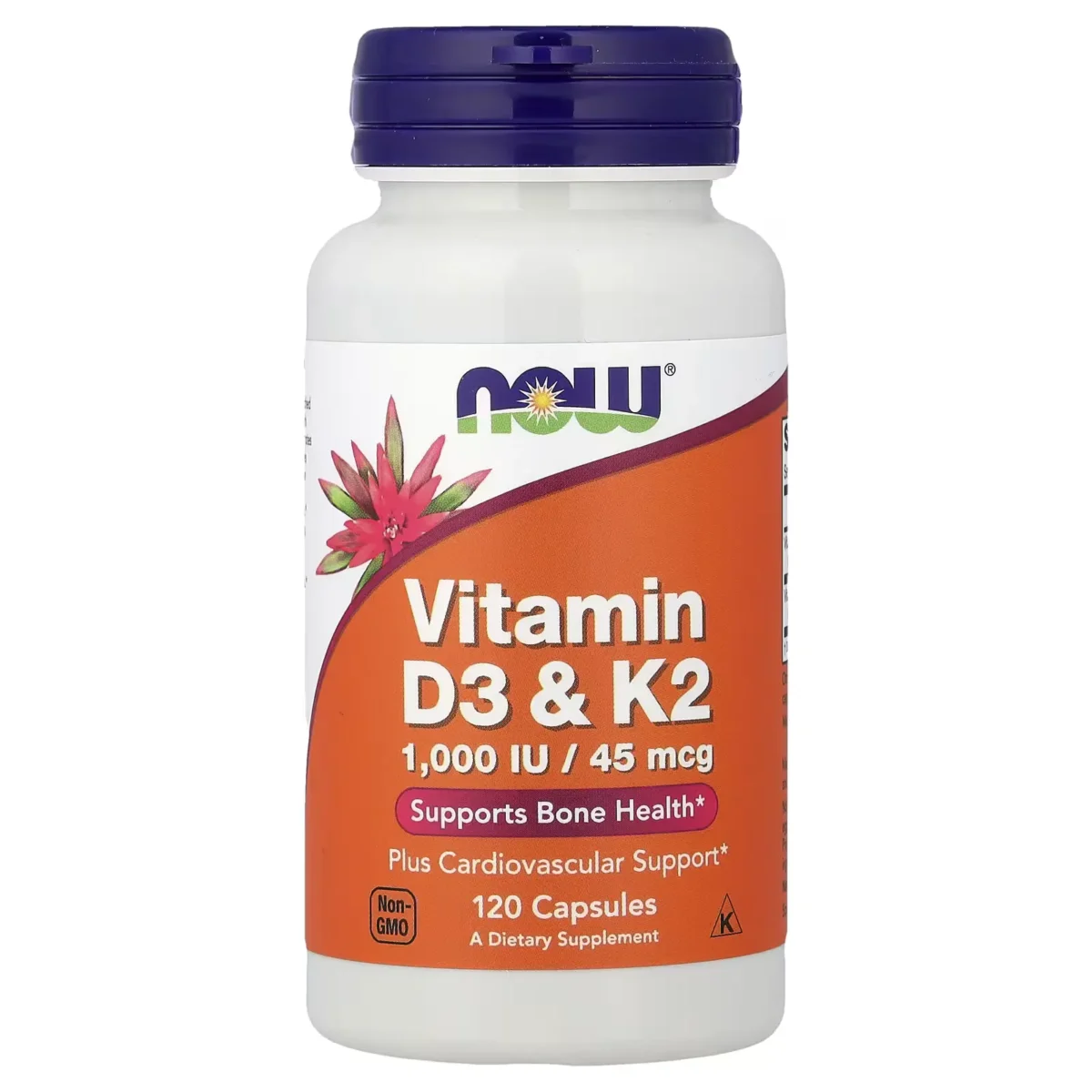
- Vitamin D: if you are deficient, correcting it can help. Read the vitamin D article.
- Zinc: makes a difference if you are low in it.
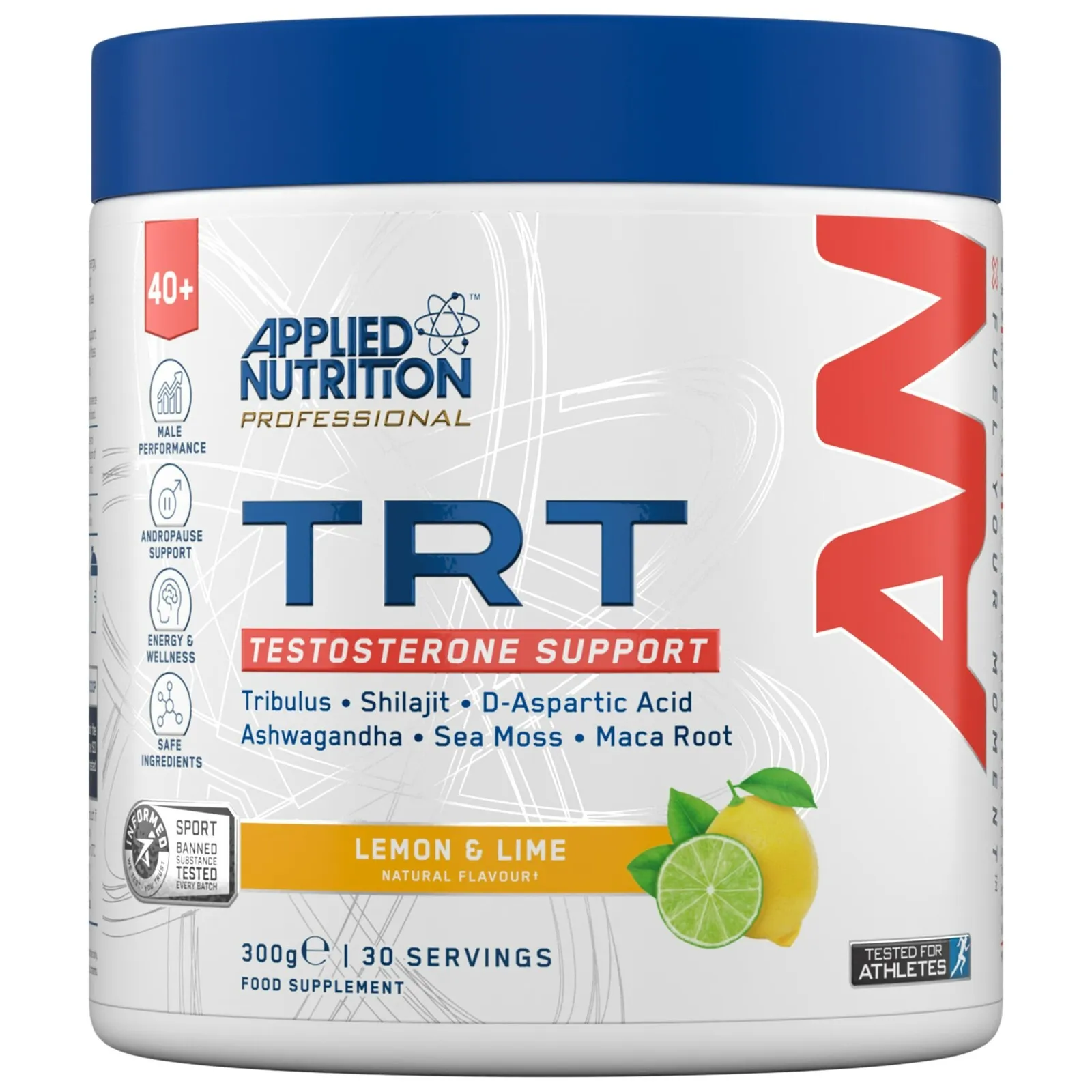
- Ashwagandha: studies found it reduces stress and may raise testosterone slightly. It is in Applied Nutrition TRT.
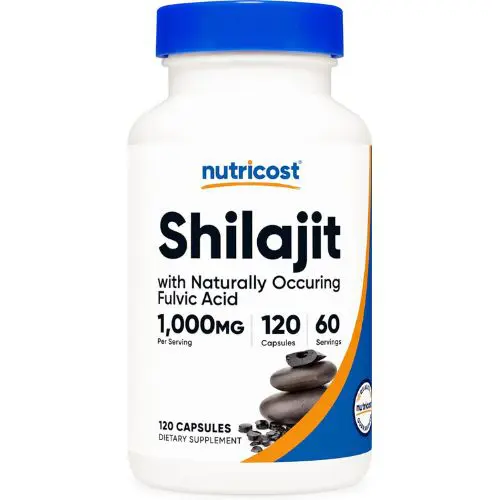
- Shilajit: a small study in men found higher testosterone after 3 months, such as Nutricost Shilajit.
Supplements that help drive more than hormones
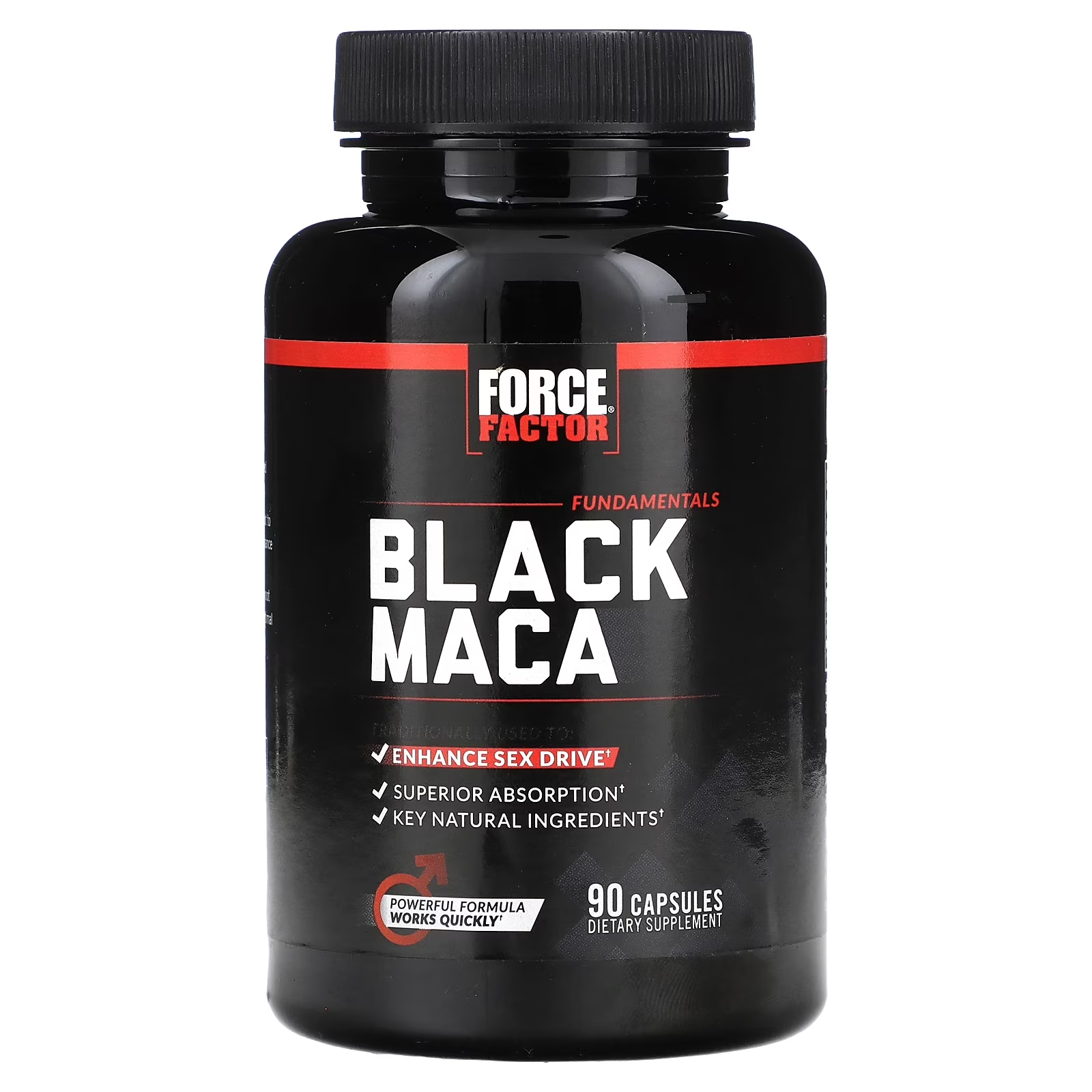
- Maca: studies found it improves libido and energy, but it does not raise testosterone itself. For example, Black Maca.
Keep your expectations realistic
Natural supplements help most when your levels are low or you have a deficiency. They will not give you results like synthetic hormones, and nobody should promise you that.
When to see a doctor
If you have constant fatigue, low drive, or you are losing muscle for no reason, get a testosterone blood test and show the result to a doctor. There may be a medical cause that needs treatment.
This information is for general guidance and is not a substitute for medical advice, especially if you have a health condition or take medication.