Magnesium Glycinate for Sleep and Muscle Cramps
Why magnesium matters if you train, the difference between its forms, and how glycinate helps with sleep and muscle cramps.
Magnesium is a mineral involved in hundreds of processes in the body, including muscle contraction and relaxation, sleep and energy production. If you train and sweat a lot, you lose some of it in your sweat.
Signs you may be low in magnesium
- Muscle cramps or spasms, especially at night
- Trouble falling asleep
- Feeling tense or irritable
- A slight eyelid twitch
Why glycinate?
Magnesium comes in many forms:
- Oxide: cheap, but poorly absorbed and can cause diarrhea.
- Citrate: better absorbed, with a mild laxative effect.
- Glycinate: magnesium bound to the amino acid glycine. It is well absorbed and gentle on the stomach, and glycine itself is linked to calm and sleep.
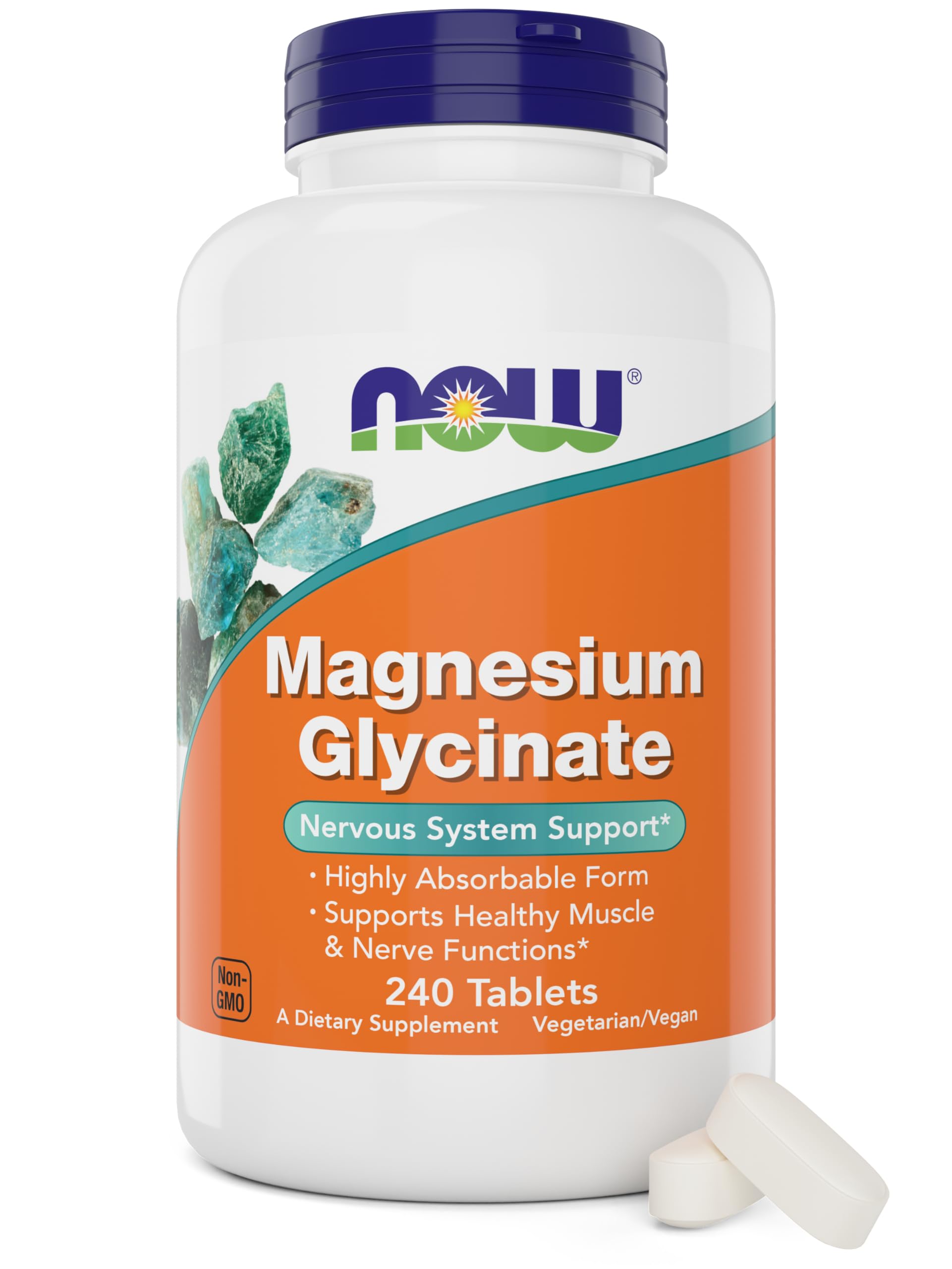
That makes glycinate the right choice if your goal is better sleep and fewer cramps, such as NOW Foods Magnesium Glycinate.
How to take it
- An hour before bed.
- The usual dose is 200 to 400 mg of magnesium a day. Check the label for the dose.
- You may notice better sleep in the first week, and fewer cramps after a few weeks of steady use.
With L-theanine
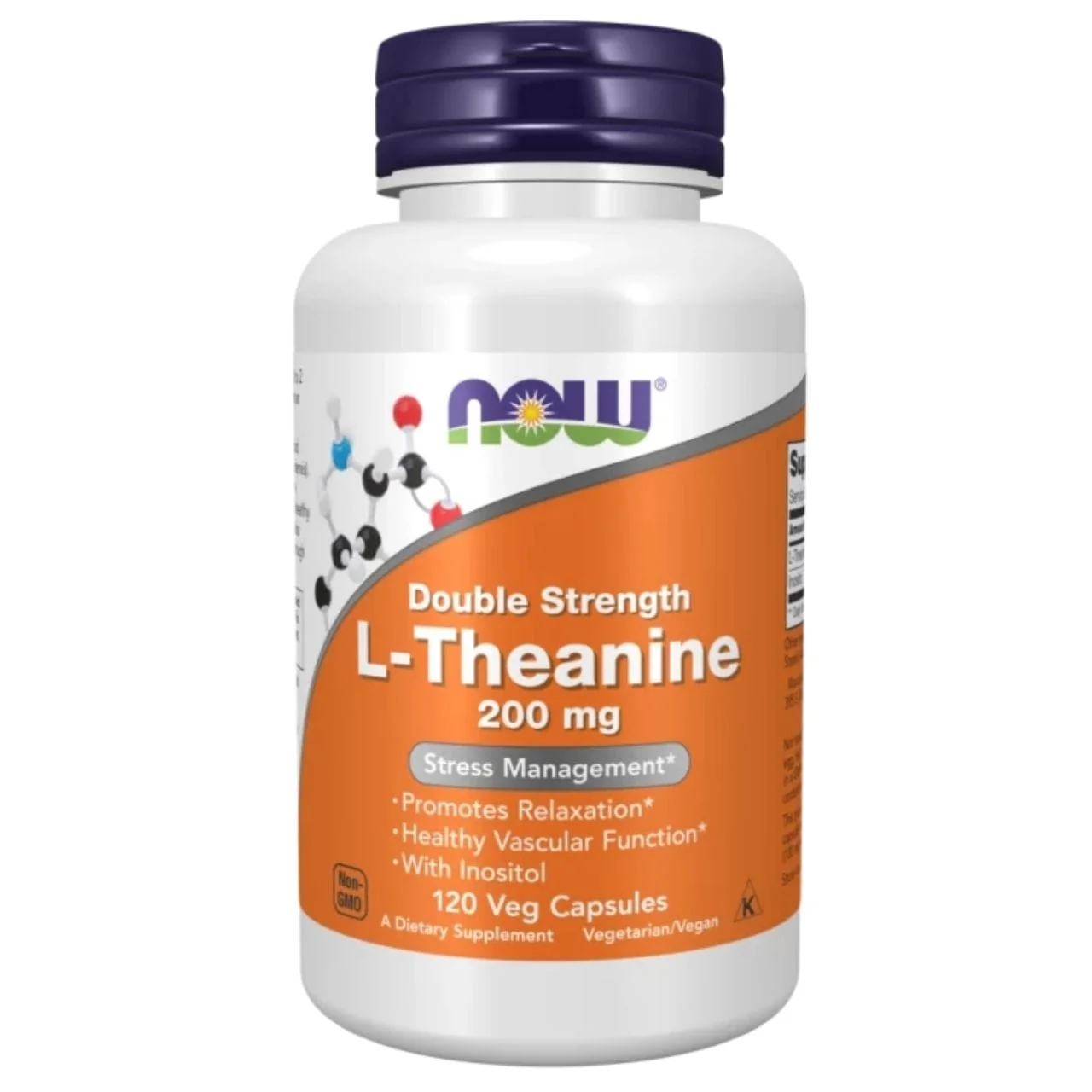
If your mind will not switch off at night, you can add L-theanine. It brings calm without heavy drowsiness.
Be careful
- If you have kidney problems, ask a doctor first, because the kidneys clear extra magnesium.
- If you take antibiotics or thyroid medication, keep them at least two hours apart from magnesium.
This information is for general guidance and is not a substitute for medical advice, especially if you have a health condition or take medication.