Creatine Guide: Benefits, Dosage and Common Myths
Everything you need to know about creatine monohydrate: what it does, how and when to take it, whether you need a loading phase, and whether it harms the kidneys.
Creatine is the most researched supplement in sports nutrition, and one of the safest when taken correctly.
What does creatine do?
Your body uses creatine to produce quick energy for short, intense efforts like lifting weights and sprinting. Supplementing raises the creatine stored in your muscles, so you can do more reps or lift heavier. Over time, that adds up to more strength and more muscle.
The right dose
- Daily dose: 3 to 5 g a day, usually one scoop.
- Loading (optional): some people take 20 g a day split into 4 doses for 5 to 7 days to fill the muscles faster. It is not necessary: the normal daily dose gets you to the same place in 3 to 4 weeks.
- Rest days: keep taking it. Consistency is what matters.
When is the best time?
Timing makes little difference. What matters is taking it every day. If you want a routine, take it after training with a meal or your protein shake.
Common myths
Does creatine damage your kidneys?
Research in healthy people has not found that normal doses harm the kidneys. If you already have a kidney problem, ask your doctor before taking it.
Does creatine cause bloating?
Creatine pulls water into the muscle itself, so your weight may go up by a kilo or two at first. That is not fat, and it is part of why muscles look fuller.
Do I need to cycle it?
No. Creatine is not a hormone, and there is no evidence that taking breaks helps.
Does it cause hair loss?
One small study saw a rise in a hormone linked to hair loss, but that result has not been confirmed. If it worries you, talk to a doctor.
Monohydrate or other forms?
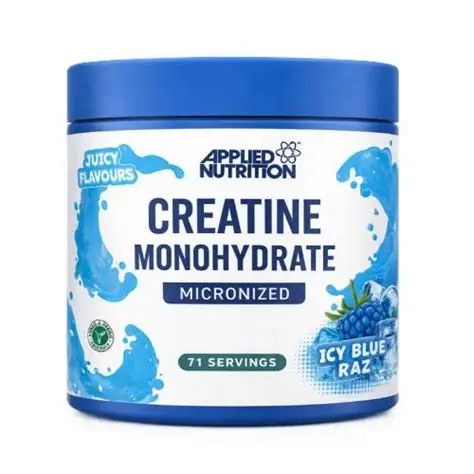
Creatine monohydrate is the form with the most research behind it, and it is the cheapest. For example, Applied Nutrition Creatine Monohydrate.
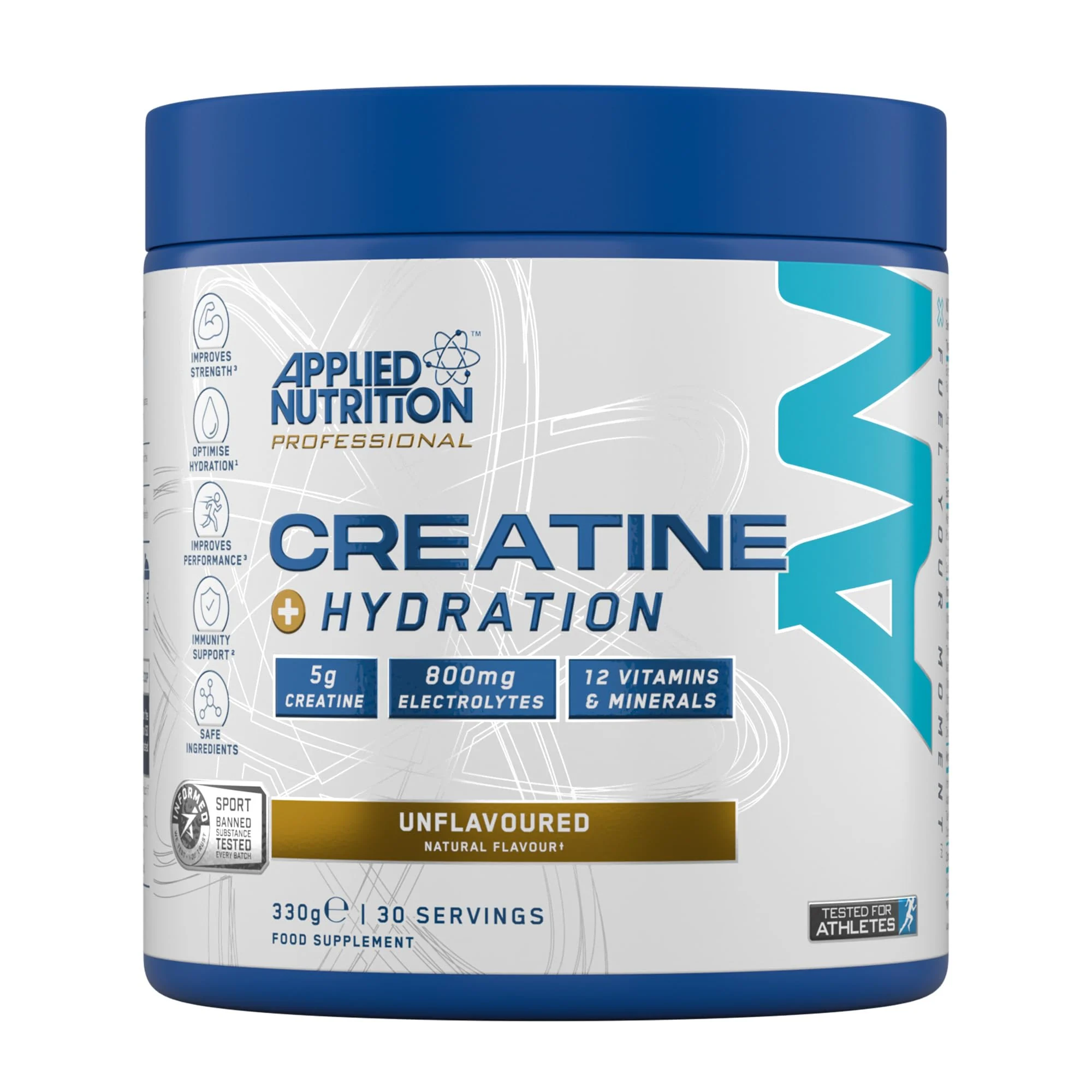
If you train in the heat or sweat a lot, Creatine + Hydration adds electrolytes to help.
Drink plenty of water through the day while taking creatine.
This information is for general guidance and is not a substitute for medical advice, especially if you have a health condition or take medication.